
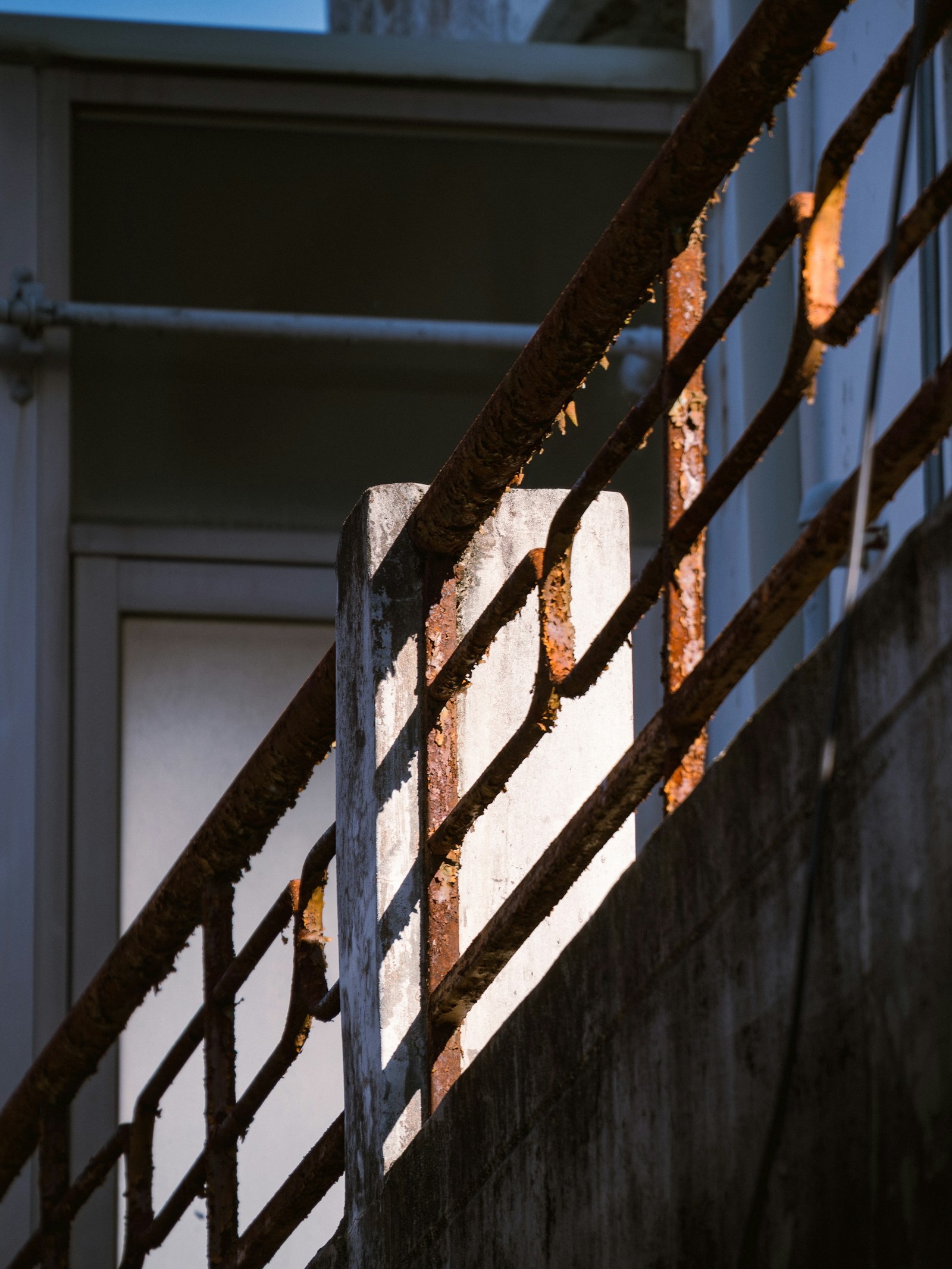
Balcony Guardrail Corrosion: Why SB-4D's Milestone Inspection Now Scrutinizes Railings as Closely as Concrete
For years, a milestone inspection under Florida's SB-4D meant one thing to most condo and HOA boards: a structural engineer walking the property with a focus on concrete. Spalling, cracking, rebar exposure — that's where the attention went, and for good reason. But boards going through their second or third round of milestone inspections are noticing something new on their reports: balcony and breezeway guardrails are getting the same level of scrutiny as the concrete slab underneath them.
It's not a change in the law so much as a maturing of how inspectors apply it. SB-4D requires engineers to evaluate the "structural integrity" of a building's load-bearing elements, and guardrails fall squarely in that category. A railing isn't decorative hardware — it's a life-safety component, anchored into concrete that's been absorbing salt air and moisture for decades. Inspectors who've seen what happens when that connection fails are no longer treating railings as an afterthought.
Why the Same Concrete Problem Shows Up Twice
Coastal Southwest Florida buildings deal with chloride-induced corrosion in their concrete: salt works its way through the slab to the reinforcing steel, the steel rusts, and the rust expands until it cracks and spalls the surrounding concrete. Guardrail posts face the identical mechanism. Most railings on older SWFL buildings are set into the slab or knee wall with embedded steel posts or anchor bolts, and that embedment point is exactly where water intrusion and salt exposure do the most damage — often invisibly, from the inside of the connection outward.
A railing can look solid from a few feet away and still have a base plate that's lost most of its anchoring strength underneath a skim coat of paint. That's the pattern milestone inspectors are increasingly trained to look for: rust staining bleeding out from the base of a post, hairline cracking in the concrete immediately around an anchor, or a railing that has slightly more give than it should when pushed.
What Inspectors Are Flagging
On the reports we're seeing come out of recent milestone and Phase II inspections, railing-related findings tend to fall into a few categories:
- Corrosion at the base plate or post embedment, visible as rust bleed or a loose connection at the deck surface
- Cracked or spalled concrete directly surrounding an anchor bolt or embedded post
- Failed welds at the joints between horizontal rails and vertical posts
- Sheared, missing, or improperly torqued anchor bolts on surface-mounted railings
- Deflection — measurable movement when lateral pressure is applied during testing
Any one of these can turn a routine milestone report into a required-repair item with a compliance deadline attached, which puts it on the same clock as a concrete restoration scope.
What This Means for Your Board's Scope of Work
The practical effect is that railing remediation is showing up as a line item alongside balcony and exterior wall restoration more often than it used to, rather than as a separate, smaller project down the road. That's actually good news for budgeting: addressing corroded railing connections while a contractor already has access to the balcony edge or breezeway for concrete repair is far more cost-effective than mobilizing a second crew later for a standalone railing fix.
It also means a restoration proposal that only scopes the concrete and leaves the railing conditions unaddressed is incomplete by today's inspection standard. When we evaluate a building for a milestone-driven restoration project, we're assessing guardrail anchorage and post condition in the same pass as the concrete and stucco — not as an afterthought, but because the inspector reviewing the completed work is going to look at both.
If your board's milestone inspection report flagged railing conditions, or if you simply haven't had your guardrails evaluated alongside your last concrete assessment, it's worth getting ahead of it before the next inspection cycle turns it into a deadline. McLeod's Construction, Paint & Restoration has spent more than 30 years working on SWFL condo and commercial buildings, and we build railing and anchorage evaluation into every concrete and stucco restoration scope we propose.
Reach out to our team to schedule an assessment of your building's balconies, breezeways, and guardrails — one visit, one clear picture of what your next milestone inspection is going to be looking for.