
Insurance Claims and Restoration Timelines: What a Board Needs Documented Before a Hurricane Season Claim Closes
Hurricane season doesn't just test a building's waterproofing and concrete — it tests the paperwork behind every restoration claim a condo or HOA board eventually files. In Southwest Florida, where named storms, wind-driven rain, and salt-laden humidity do damage year-round, the boards that recover fastest aren't the ones with the biggest reserve fund. They're the ones who had documentation in place before the first adjuster ever walked the property.
After thirty-plus years restoring buildings in Lee, Charlotte, and Collier Counties, we've sat across the table from enough boards and public adjusters to know exactly where claims stall — and it's almost never the damage itself. It's the gap between what happened and what can be proven happened.
Start With a Pre-Storm Baseline, Not a Post-Storm Guess
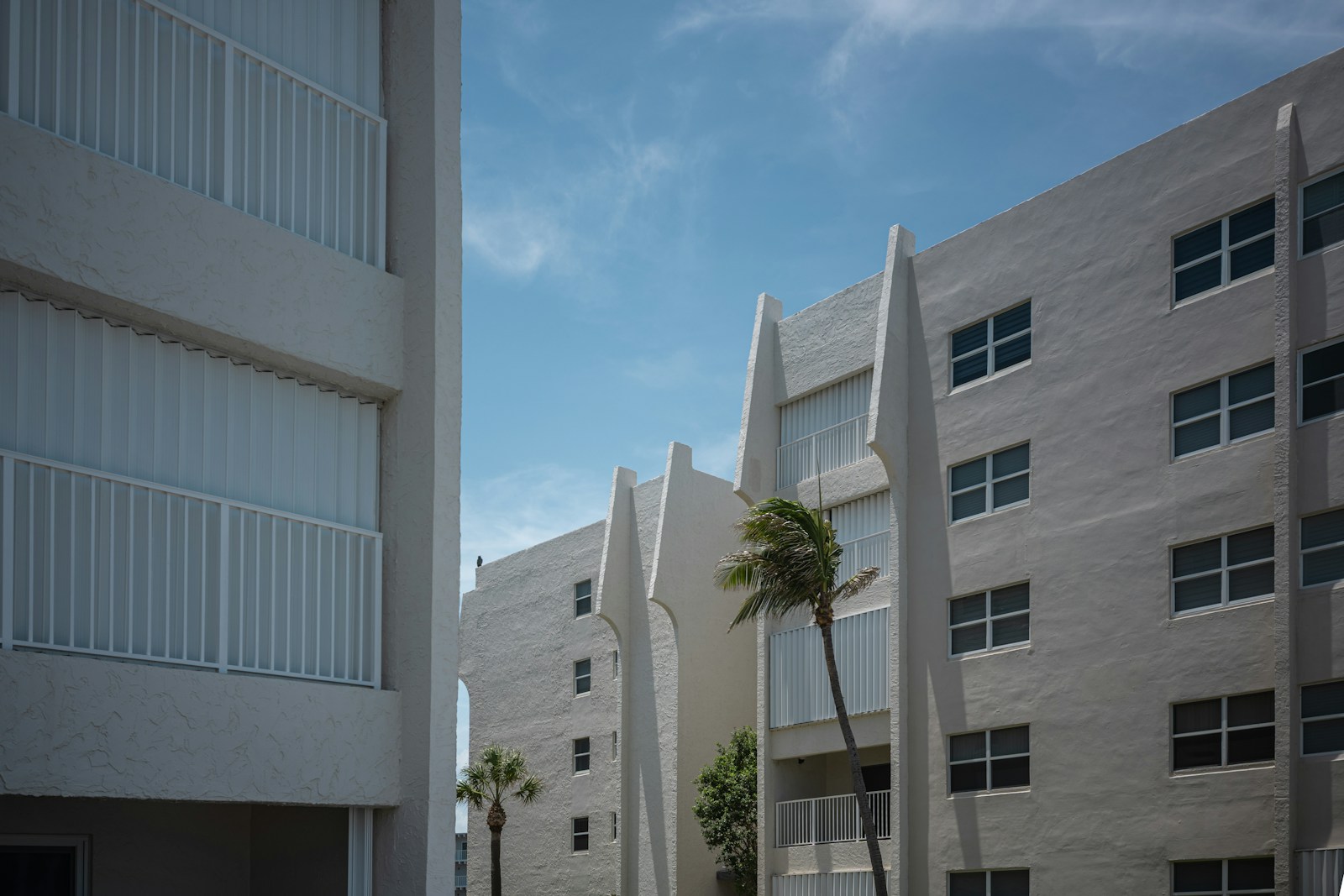
Insurance carriers compare conditions before and after a loss event. If a board can't produce dated photos, milestone inspection reports, or prior repair invoices showing the building's condition before a storm, every disputed claim turns into an argument about what was "already there." A simple walk-through with dated, wide-angle photos of roofs, stucco, balconies, sealant joints, and windows — stored somewhere the board can actually find them in October — closes that gap before it opens.
This baseline pays off even outside of a hurricane claim. It's the same documentation a Milestone Inspection or SIRS reserve study draws from, so boards that keep it current aren't doing extra work — they're doing the same work once and using it twice.
What Adjusters Actually Ask For
Every claim file eventually needs the same core set of records:
- Dated before/after photos of the affected areas, not just the worst-hit units
- Itemized contractor estimates that separate storm damage from pre-existing wear and deferred maintenance
- A written timeline — date of loss, date of first inspection, date mitigation work began
- Proof of emergency mitigation (tarping, extraction, drying) with invoices and timestamps
- Prior maintenance and repair records for the same systems now being claimed
Boards that wait until the adjuster asks are already behind. The ones that hand over an organized file on day one tend to see faster approvals and fewer requests for additional information — which, on a commercial claim, can otherwise stretch a settlement out for months.
Why the Timeline Matters as Much as the Damage
A board doesn't just need to show what broke — it needs to show when, and what was done about it, in order. Gaps in the timeline are where carriers push back hardest, because an unexplained gap reads as delay, and delay reads as the board's responsibility rather than the storm's. A restoration contractor who logs site visits, scope changes, and completion dates as the work happens — rather than reconstructing a narrative after the fact — gives the board a timeline that holds up under review instead of one assembled from memory.
This is also where phased work creates real risk if it isn't tracked carefully. A claim that covers three buildings on different repair schedules needs separate, clearly dated records for each structure. Mixing them together is one of the fastest ways to turn a clean claim into a contested one.
Close the Claim the Way You Opened It
Just as a claim needs a documented starting point, it needs a documented ending one. Final invoices, completion photos, and a signed scope-of-work close-out protect the board if the same area is ever damaged again — and they're exactly what next year's insurance renewal underwriter will want to see as proof the building is being properly maintained, not just patched.
Boards that treat documentation as part of the restoration scope, not an afterthought handled by whoever has time, consistently close claims faster and with fewer disputes. It's not a legal exercise — it's the same craftsmanship standard that should apply to the physical repair work itself.
If your board is heading into this hurricane season without a current baseline, or you're mid-claim and need a restoration partner who documents as thoroughly as they repair, reach out to our team. You can also see examples of documented, phased restoration work on our completed projects page.