
Mold Protocols for Interior Restoration in SWFL Condos
A stucco crack or a failed window seal rarely stays outside for long. Once water finds a path through the building envelope, it travels — down a stud cavity, across a subfloor, into a closet on the unit below. By the time a resident notices a stain on the ceiling or a musty smell in a hallway closet, the damage is usually already inside the walls. For SWFL condo and HOA boards, the exterior repair is only half the job. The other half is what happens inside the occupied unit: containing moisture, protecting air quality, and getting residents back to normal without displacing them for months.
Why the Interior Problem Outlasts the Exterior Fix
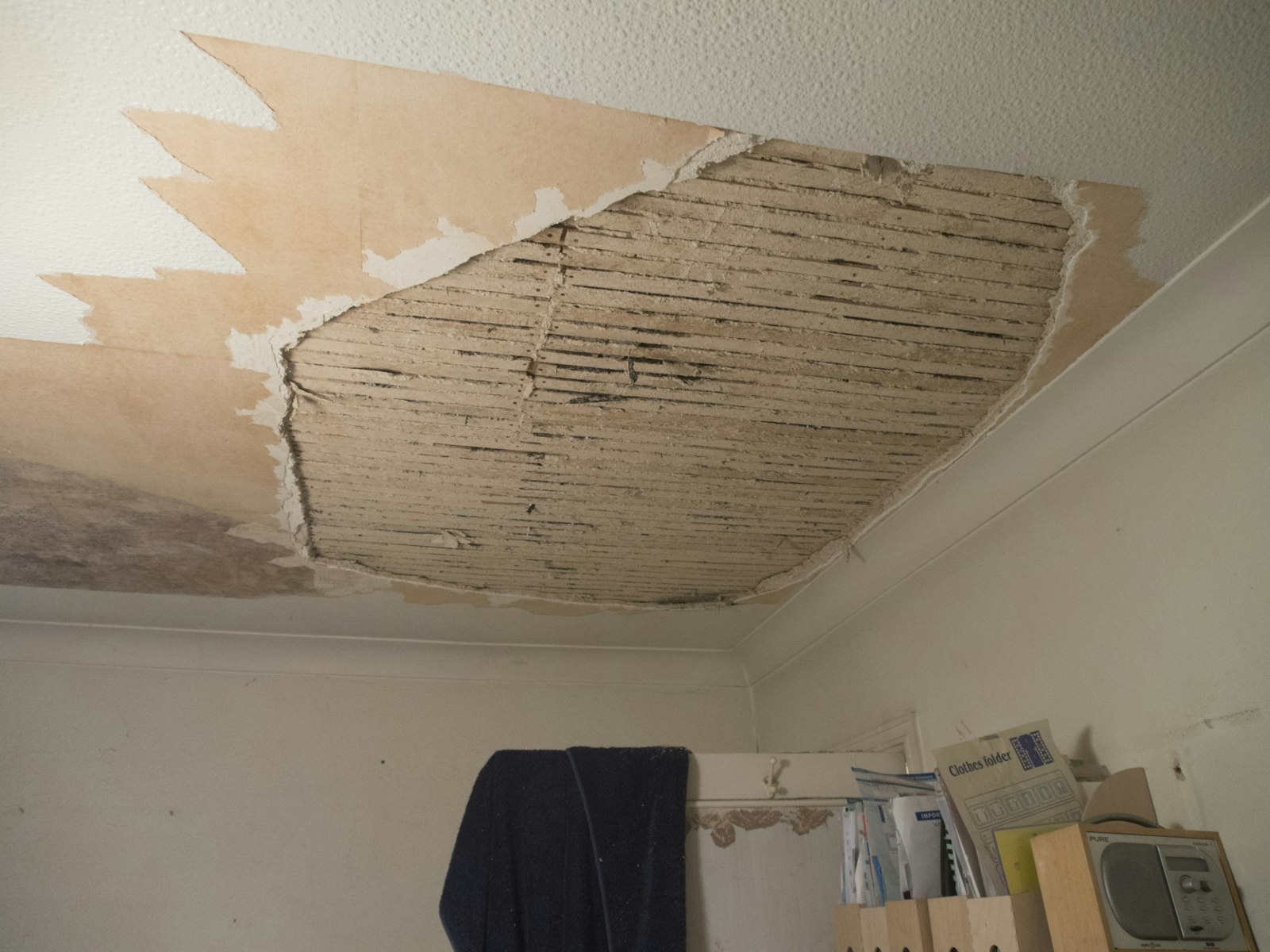
Sealing a window or patching a stucco crack stops new water from getting in, but it does nothing about the water that's already inside the wall cavity, insulation, or drywall. In Southwest Florida's humidity, trapped moisture doesn't dry on its own — it feeds mold growth within 24 to 48 hours. That's why every interior restoration project we run starts with moisture mapping: infrared cameras and moisture meters to find exactly how far the water traveled, not just where it's visible. Boards that only authorize the exterior repair and skip this step often end up back at the same unit six months later with a mold complaint instead of a water stain.
Mold Protocols: What a Proper Response Actually Includes
A mold protocol isn't a spray bottle and a fan. On any job where moisture has been present for more than 24-48 hours, our process follows the same sequence a certified restoration contractor should always use:
- Containment first. Plastic sheeting and negative-air machines isolate the affected area so spores don't spread into hallways, adjacent units, or HVAC returns.
- Removal of compromised material. Wet drywall, insulation, and baseboards get cut out and bagged — not just dried in place, which can trap mold behind an intact-looking wall.
- Antimicrobial treatment on framing and remaining surfaces before anything gets closed back up.
- Third-party clearance testing on any job where an owner, board, or insurance carrier wants documented proof the space is safe before reconstruction starts.
Skipping any of these steps to save time is exactly how a small leak becomes a bigger, more expensive mold remediation project a year later.
How Residents Stay in Occupied Units During Drying
Boards' biggest worry is almost always the same question: does the resident have to move out? In most cases, no — if the containment is done correctly. Negative-air containment and portable HEPA filtration let us isolate the work zone to a single room or wall section while the rest of the unit stays livable. We schedule the loudest, most disruptive phases — demolition and equipment startup — earlier in the day and communicate a daily timeline to the resident so there are no surprises. Full displacement is typically only necessary when the affected area includes a kitchen, a bathroom, or when moisture has traveled into a shared wall that affects structural drying equipment placement across a larger footprint.
Coordinating With the Exterior Repair Timeline
Interior restoration and exterior waterproofing or stucco repair need to move in the right order. Closing up interior walls before the exterior source is fully sealed just invites the same water back in behind a fresh finish. Our project managers sequence the two scopes together: exterior repair and testing (often a water test on the specific window or wall section) happens first, followed by interior drying, remediation, and reconstruction once the building envelope is confirmed dry. For boards managing a special assessment or insurance claim, this sequencing also matters for documentation — carriers want to see that the source was fixed before paying for interior repairs.
What Boards Should Ask Before Approving an Interior Restoration Scope
When a proposal comes in for interior work tied to a facade or window failure, ask the contractor three things: How was the extent of moisture intrusion documented (infrared, moisture meters, or just a visual)? What's the mold protocol if moisture has been present more than 48 hours? And what's the plan for keeping the resident in the unit during the work, if that's an option? A vague answer to any of these usually means a vague scope of work — and a vague scope is where change orders and delays come from later.
If your building has an active leak, a resident complaint about odor or staining, or an exterior repair that's already scheduled but the interior scope hasn't been addressed, McLeod's Construction, Paint & Restoration can walk your board through both sides of the project together. Call (239) 282-0891 or visit mcleodsconstruction.com to schedule an assessment.