What a Condo Board Should Expect at the Pre-Construction Meeting
When a restoration or waterproofing project gets the green light, the pre-construction meeting is where the plan on paper turns into a plan everyone can actually live with. For condo and HOA boards, this is the single best opportunity to get scope, schedule, and resident communication nailed down before the first swing stage goes up or the first unit gets a knock on the door. Boards that treat this meeting as a formality tend to spend the rest of the project fielding complaints they could have headed off in one sitting.
Who Should Be in the Room
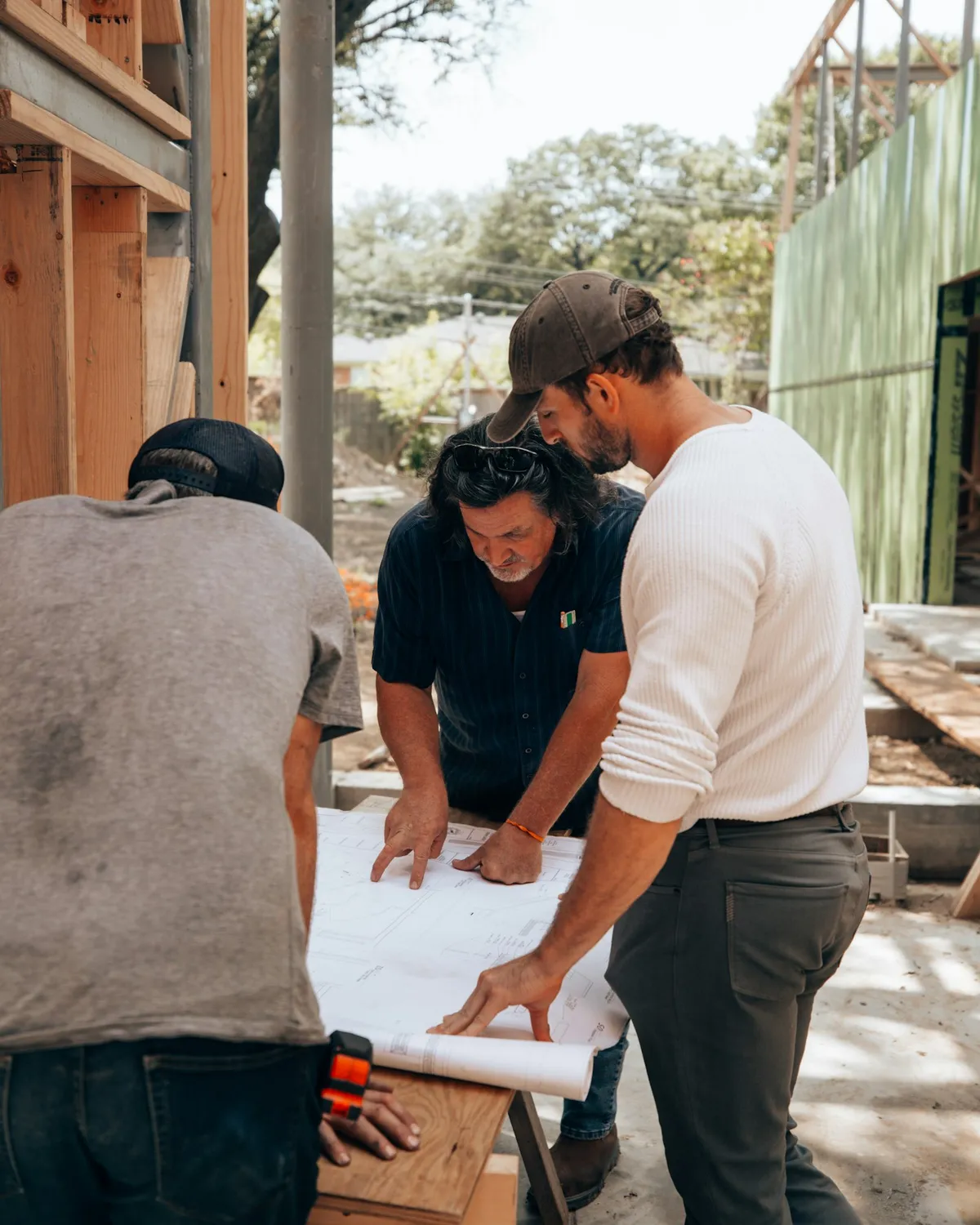
A pre-construction meeting isn't just the contractor and the board president. The people who should be present are the property manager, at least one board liaison who will field resident questions, the project superintendent who will actually run the job day to day, and, where applicable, the engineer of record if the work is tied to a milestone inspection or SIRS finding. If your management company changes point people mid-project, that handoff should happen before the meeting, not after the crew is already on site. The goal is one consistent voice from the ownership side and one from the contractor side, so residents aren't getting conflicting answers from three different people.
Scope: What's Actually in the Contract
This is the point to walk the scope line by line, not just skim the proposal again. Which balconies, which stucco sections, which windows or doors are included, and just as important, which ones are not. Coastal buildings almost always turn up additional deterioration once crews open a wall or break into concrete to check reinforcing steel, so the board should leave this meeting understanding how unforeseen conditions get documented, priced, and approved mid-project. A good contractor will walk you through the change-order process now, in plain language, so nobody is negotiating it for the first time after a crew has already found a problem behind the wall.
Schedule: Sequencing Around an Occupied Building
Unlike new construction, restoration work on an occupied condo or commercial building has to move around people's daily lives. The pre-construction meeting is where the board should get a realistic sequence: which stack or elevation goes first, how long swing stages or scaffolding will sit at any one section, and what happens if weather or material delays push the timeline. Ask specifically about noisy work windows, elevator or lobby access during the project, and how parking or walkway closures will be staged. If the building has snowbird residents who won't be around to answer questions in person, the schedule should account for how updates reach them too.
Resident Communication: Setting the Pattern Early
Most of the friction on a restoration project doesn't come from the construction itself, it comes from residents feeling like they found out too late. This meeting is where the board and contractor agree on a communication cadence: a notice before work starts in a given area, a point of contact for questions during the project, and a plan for anything that affects unit access, like balcony closures or window replacement days. Decide now whether updates go out by email blast, posted notices, or the property manager, and who residents should call if something feels off mid-project rather than waiting for the next board meeting.
Documentation the Board Should Walk Away With
Before adjourning, the board should have a written project schedule, a documented change-order process, emergency contact information for the superintendent, and a clear understanding of inspection milestones tied to payment draws. If the project is connected to a Milestone Inspection or SIRS finding, this is also the moment to confirm how completed work will be documented for the reserve study and for the engineer's final report. Boards that keep this paperwork organized from day one have a much easier time at turnover, at the next milestone inspection cycle, and if a warranty question comes up years down the road.
A pre-construction meeting that covers scope, schedule, and resident communication up front saves a board months of friction later. McLeod's Construction, Paint & Restoration has run this meeting with condo and HOA boards across Lee, Charlotte, and Collier Counties for more than 30 years, and we build the agenda around the questions your residents will actually ask. If your board has a restoration, waterproofing, or painting project coming up, contact our team to schedule a pre-construction walkthrough before you sign off on a start date.