
Who Pays for the Leak? Condo Association vs. Unit Owner Responsibility Under Florida Law
A board gets the call on a Friday afternoon: water is coming through a ceiling in a fourth-floor unit, and the owner wants to know who's paying for it. Before anyone picks up a phone to call a contractor, the real first question has to be answered — is this the association's problem, the unit owner's problem, or both? Get that wrong, and you either spend reserve funds on something the declaration says isn't the association's job, or you leave an owner holding a bill for damage that started in a common element. At McLeods, we see this exact scenario play out across Lee, Charlotte, and Collier County condos every storm season, and the answer almost always comes down to where the water originated and what Florida Statute 718.113 and your declaration actually say.
What Florida Law Assigns to the Association
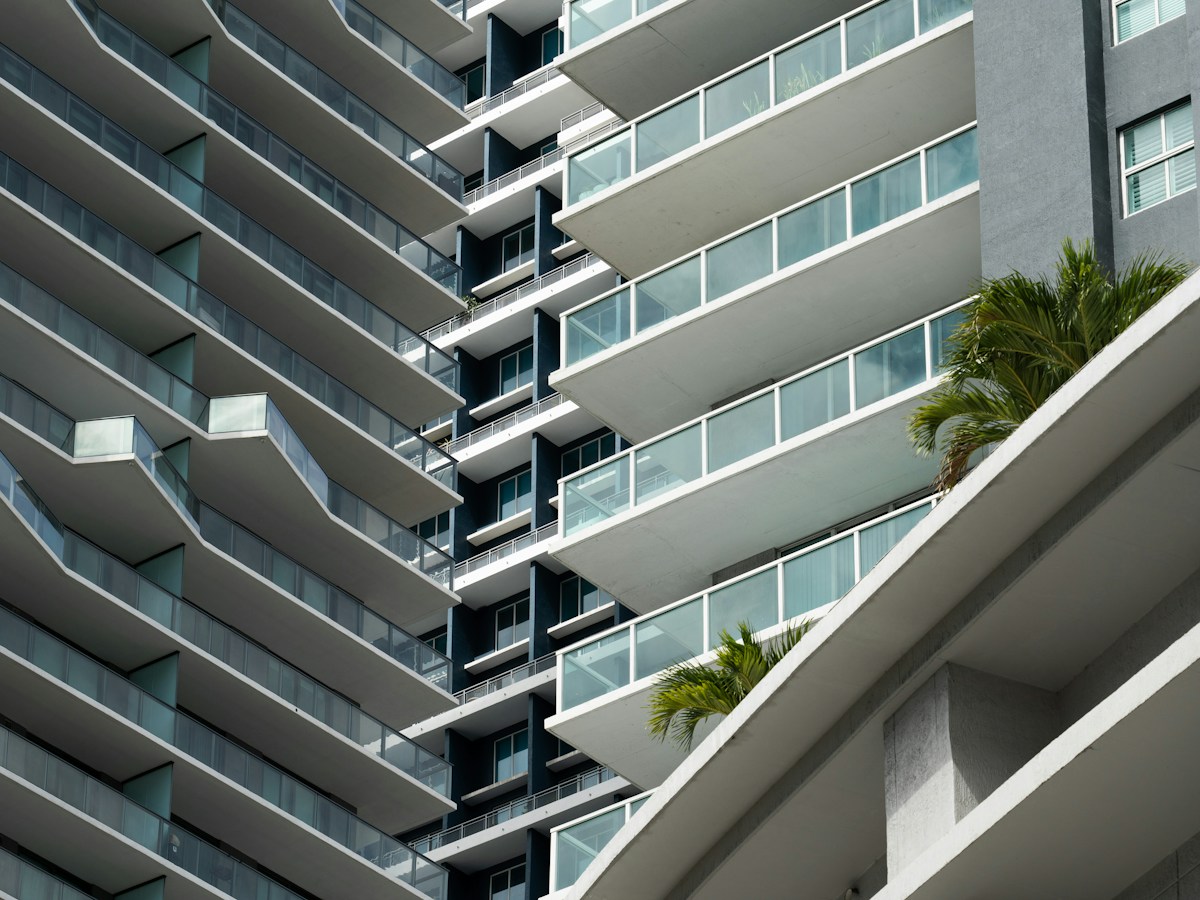
Florida Statute 718.113 puts maintenance, repair, and replacement of the "common elements" on the association. In practice, that means the building envelope: exterior walls, stucco and EIFS cladding, windows and doors as installed (the frame and the seal between frame and opening, specifically), roofs, balconies' structural slab, and the waterproofing membranes and sealants that are supposed to keep weather out in the first place. If a facade crack, a failed window sealant joint, or a balcony membrane let water into a unit, that's an association responsibility to repair at the source — regardless of whose ceiling the water landed on. This is also the piece boards most often underestimate: the fix isn't just patching the interior drywall, it's finding and correcting the envelope failure that let the water in, or the same leak reappears in six months.
Where Unit-Owner Responsibility Begins
Once water crosses from a common element into the unit, responsibility for everything inside the unit's boundary typically shifts to the owner — interior drywall, paint, flooring, cabinetry, and personal property. Florida law and most declarations draw this line at the unit's interior-facing surfaces: the association is on the hook for the envelope and the structure, the owner is on the hook for the finishes and belongings that got wet because of it. This is why two separate scopes of work often come out of the same leak event — a restoration contractor repairing the source on the building side, and a separate interior remediation and repaint happening inside the unit, sometimes paid through the owner's HO-6 policy rather than the association's master policy.
The Gray Zone: Mixed-Source and Ambiguous Leaks
Not every leak has an obvious source, and this is where boards get stuck. A stain on a ceiling could be a failed window sealant (association), a cracked supply line inside a wall (often owner, if it's not a shared riser), or condensation from an HVAC unit (frequently owner-maintained equipment, even when it sits in a common area). We've been on calls where the board and an owner each assumed the other was responsible, and nobody called anyone for three weeks while the drywall kept absorbing water. The only real way to settle it is documented testing and inspection — tracing the water path back to its actual entry point — before either party commits to a repair scope. Guessing at the source, or splitting the cost "to be fair" without evidence, tends to create a worse precedent than taking the extra few days to test it properly.
What Your Declaration Can Change
Statute 718.113 sets the default allocation, but many declarations modify it — some condo documents assign specific balcony or window components to unit owners even though they're technically part of the envelope, or they shift limited common elements like a private balcony's finish surface to the owner while keeping the structural waterproofing with the association. Boards relying on memory or an old summary of "how we've always done it" are frequently surprised when they actually read the current declaration and amendments. Before any repair contract gets scoped or paid for out of reserves, it's worth having whoever handles association counsel confirm the specific allocation in your documents — it's a cheap step compared to paying for a repair the association didn't actually owe, or worse, failing to cover one it did.
Building the Right Scope From the Start
Once responsibility is sorted out, the repair itself goes faster and holds up better when it's scoped around the actual failure rather than just the visible damage. For McLeods, that means our team identifies the entry point first — whether that's a sealant joint, a stucco crack, a window frame, or a balcony membrane — and repairs that detail to current coastal-Florida building science standards before anyone touches interior finishes. We coordinate with the board's documentation needs along the way, so whatever gets submitted to the master policy, an owner's HO-6 carrier, or the reserve fund has a clear, defensible paper trail of what failed, why, and what it took to fix it correctly.
If your board is sorting through a leak and isn't sure where the line falls between association and owner responsibility, McLeods Construction, Paint & Restoration can inspect the source, document the findings, and give you a scope you can bring to counsel or your insurer with confidence. Call us at (239) 282-0891 or visit mcleodsconstruction.com/contact-us to get a leak source assessment scheduled — Your Project. Our Passion.