
Concrete Restoration During Season: How Occupied SWFL Buildings Stay Livable While Balconies Get Rebuilt
Every Southwest Florida board eventually has the same conversation. The engineer's report is in, the balconies need concrete repair, and someone at the table says, "Let's wait until after season, when the building empties out." It sounds considerate. Sometimes it's the right call. But it is not automatically the right call, and treating it as a rule can cost a community a full year of protection on a structure that is already telling you it needs help.
The honest answer is that concrete restoration on an occupied building is a logistics problem before it is a construction problem. A community can absolutely stay livable through a balcony rebuild in the middle of season — as long as the contractor has planned for the people as carefully as they've planned for the concrete.
Why In-Season Work Is Sometimes the Better Choice
Winter in Lee, Charlotte and Collier Counties is the dry season, and concrete work likes dry. Repair mortars, epoxies, waterproofing membranes and coatings all have temperature and moisture windows for proper cure. From June through October, afternoon storms routinely shut a facade crew down by two o'clock, and an open balcony edge is a very different conversation when a named storm is three days out in the Gulf.
There is also the calendar you don't control. Milestone inspection findings, Structural Integrity Reserve Study line items, permit timelines and your engineer's phase-two scope all have their own dates. If waiting eight months means starting the following rainy season — and then chasing weather delays into hurricane season — "waiting for the building to empty" can quietly turn a nine-month project into an eighteen-month one, with the deterioration continuing the whole time.
None of that means in-season is always right. It means the decision belongs to the board with real numbers in front of it: weather risk, permit dates, resident impact and cost. A contractor who won't walk you through that trade-off honestly isn't giving you a plan, just a preference.
Phasing Is the Single Biggest Comfort Decision
How the project is broken into phases determines what daily life feels like more than any other choice on the job.
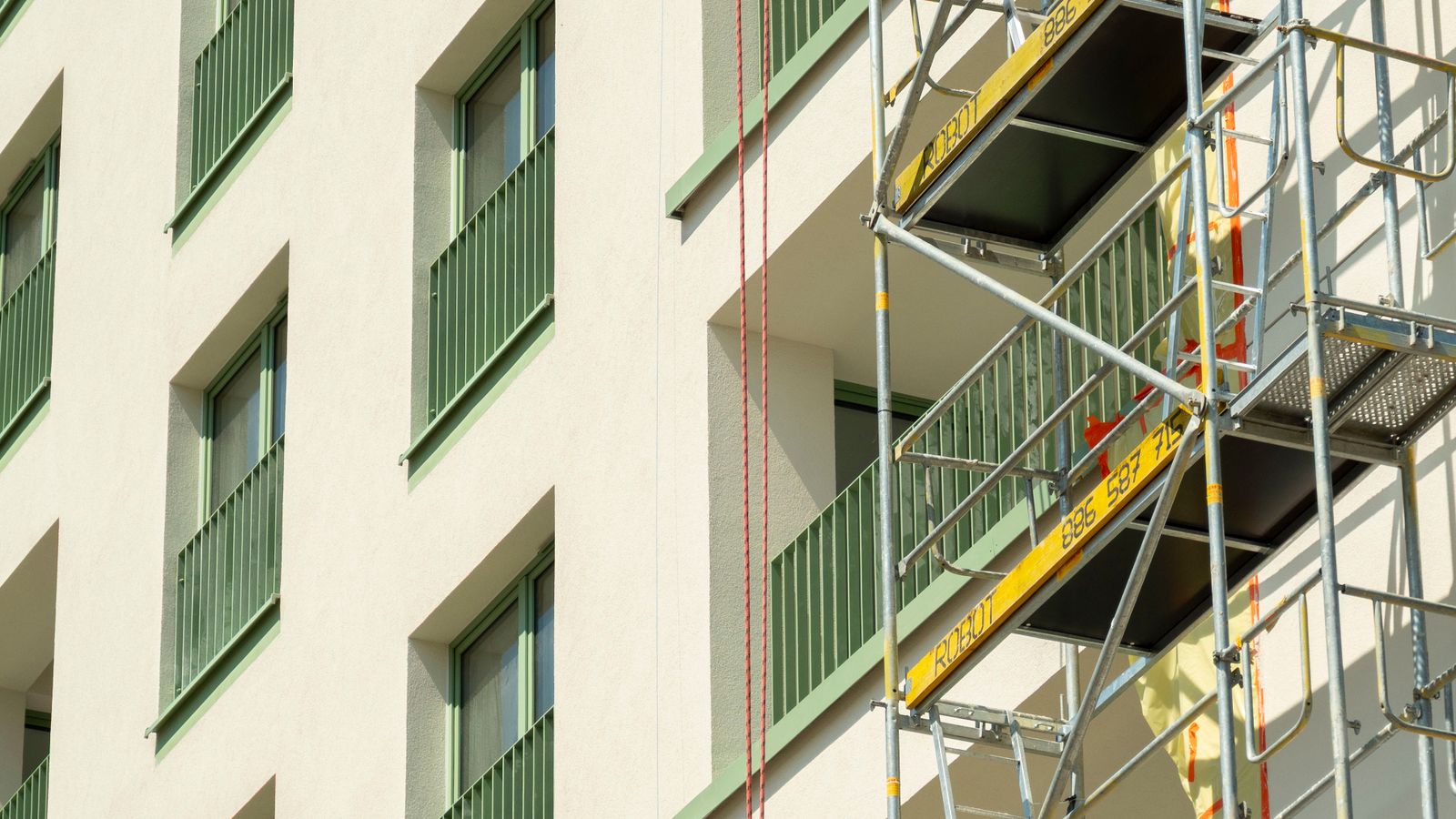
Working a vertical stack — the same balcony position from the top floor down — keeps the disruption narrow. A handful of units are affected at a time, the swing stage or scaffold occupies one column of the facade, and each owner can be told, with confidence, which weeks are theirs. Working horizontally across an entire floor takes an entire neighborhood of the building out of service at once and tends to generate the phone calls property managers dread.
The other rule that protects residents: never open more balconies than the crew can close. Chipping out unsound concrete on twenty balconies because it's efficient for the demolition crew means twenty families living behind plywood while the repair crew catches up. Scope the phase to what can be demolished, repaired, cured, waterproofed and coated as a unit — then move on.
Noise, Dust and the Hours That Actually Matter
The loud part of concrete restoration is short. Sounding the slab with a hammer, saw-cutting the perimeter of a repair area, and chipping to sound concrete are the phases residents hear. Placing repair mortar, applying membrane and topcoat, and installing sealant are comparatively quiet.
So the schedule should be built around that reality. Define working hours in writing and honor them: no impact tools before eight in the morning or after four in the afternoon, none on Sundays or holidays, and a published count of how many days of loud work each stack gets. Residents handle noise far better when it has an end date attached to it.
Dust control is where a lot of contractors quietly cut corners. On an occupied building it should include vacuum-shrouded chipping and cutting tools, containment screening on the scaffold or platform, wetting during demolition, poly protection over sliding-door tracks and adjacent glass, covered protection over pool decks and walkways below, and a daily washdown so the site is clean when residents come home. Air-conditioning intakes near the work zone need protection too, and filters should be changed more often during the noisy phases.
Losing the Balcony Without Losing the Unit
For the owner, the project is not "concrete restoration." It's a room disappearing for a few weeks. Handled well, that's an inconvenience. Handled poorly, it's a complaint at the next board meeting.
The details that make the difference are unglamorous: furniture, planters and grills removed and stored before work begins; temporary guardrails or barricades installed the moment the balcony goes out of service; a sealed dust barrier at the slider so the unit stays clean; condensate lines, drains and any balcony-mounted equipment kept functional or temporarily rerouted; and clear signage so nobody steps out onto a slab that isn't ready.
In season, access is the piece that gets underestimated. Many units are occupied by seasonal renters or guests rather than owners, which means a written access protocol — notice period, escorted entry, who holds keys or fobs, how a refusal is documented — is far more important than it would be in July. So is protecting the parts of the building everyone shares: padded elevators, defined material routes, staging that doesn't eat half the parking, covered walkways at building entries and, above all, exits and life-safety paths that are never blocked.
Communication Belongs in the Scope, Not in the Goodwill
The projects that go smoothly in occupied buildings all share one trait: residents always know what happens next. That means a weekly look-ahead to the board and manager, unit-level notices delivered at least 72 hours before work reaches a balcony, one named point of contact instead of "ask whoever's on the scaffold," photo documentation of every balcony before demolition, and a standing weekly walk with the property manager and the engineer of record.
Ask for those deliverables by name during the bid process. A contractor who has actually run restoration on full buildings will already have them; one who hasn't will treat them as an add-on.
McLeod's Construction, Paint & Restoration has spent more than 30 years restoring concrete, stucco and balconies on occupied condominiums, offices and hospitals across Lee, Charlotte and Collier Counties — buildings that had to keep running while the work happened. If your board is weighing whether to start now or wait for summer, we'll walk the building with you, review the engineer's report and give you a phasing plan with the resident impact spelled out before anyone signs anything.
Learn more about our concrete and stucco restoration services, browse our completed projects, or contact our team to schedule a site walk. Your Project. Our Passion.