
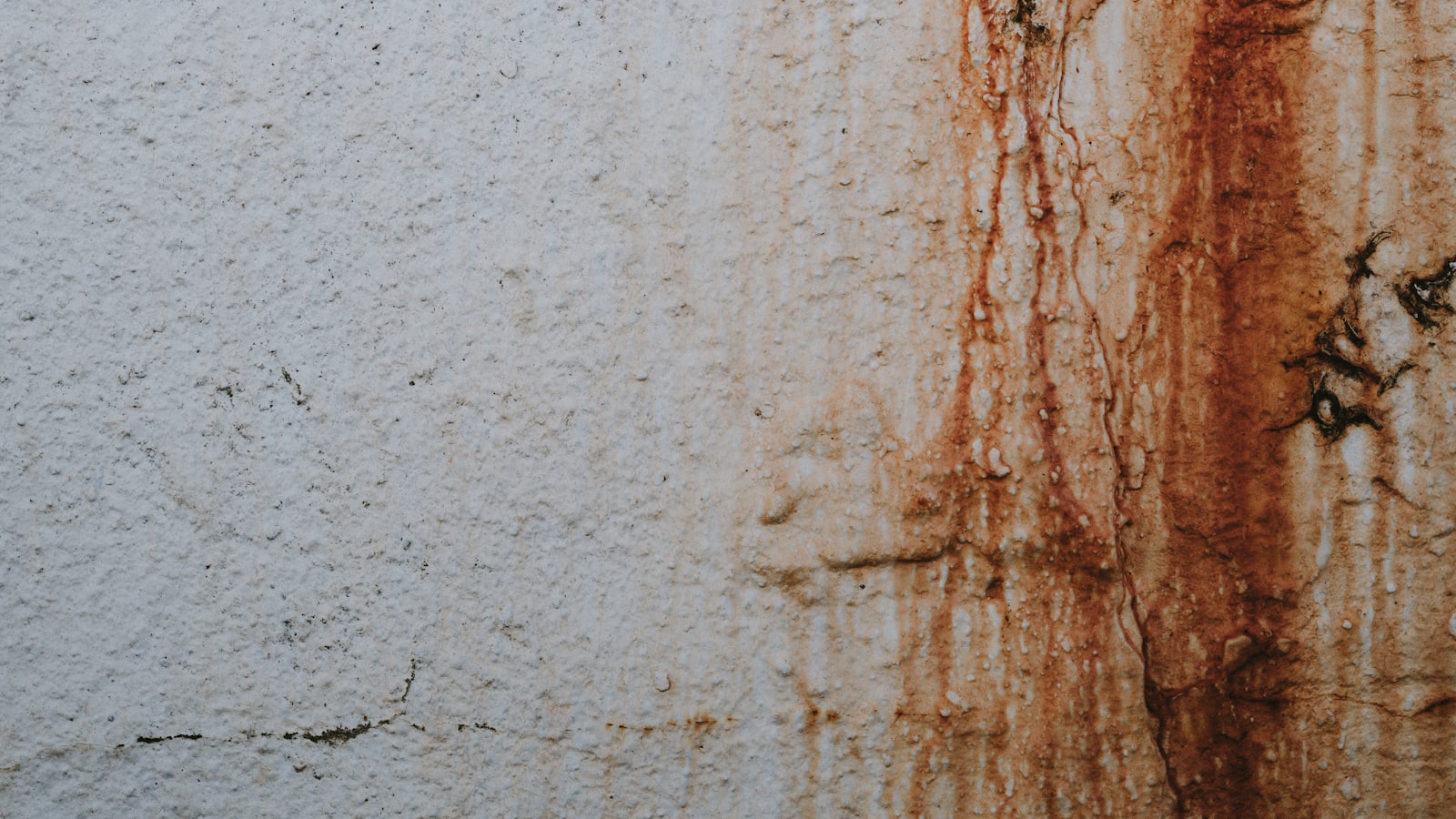
Spalling Concrete on Your Balcony? What Those Cracks and Rust Stains Are Really Telling Your HOA
Somebody on the third floor finally said something. There is a rust-colored streak running down the front of the balcony slab, a hairline crack tracing the edge, and a spot near the railing post where the paint has started to bubble and lift. The board's first instinct is usually the same: it's a stain, add it to the painting scope, move on.
In coastal Southwest Florida, that streak is rarely a stain. It is almost always the first visible report from steel that is corroding inside the concrete — and the earlier your association reads that report correctly, the smaller the repair scope stays.
What Spalling Actually Is
Reinforced concrete works because steel rebar is cast inside a highly alkaline environment that keeps it passive and rust-free. Along the Gulf Coast, two things attack that protection. Chloride from salt air and salt spray migrates through the concrete and breaks down the steel's protective layer. Carbonation — the slow reaction between concrete and airborne carbon dioxide — lowers the pH from the surface inward and does the same job more quietly.
Once the steel starts to corrode, it expands. Rust occupies several times the volume of the original steel, and that expansion pushes outward from the inside with more force than the surrounding concrete can resist. The concrete cracks, then delaminates, then lets go in sheets or chunks. That final stage is what most people call spalling — but by then the process has been running for years.
Balconies take the worst of it in SWFL buildings. They are thin, exposed on the top, bottom and all edges, cantilevered out into wind-driven rain, and coated with traffic systems that get walked on daily. They also tend to have less concrete cover over the steel than a column or a beam, which means less material standing between salt-laden moisture and the rebar.
Reading the Signs Before They Become Repairs
Rust stains are the clearest signal. Steel inside sound, well-protected concrete does not bleed color onto a finished surface. When you see a brown or orange streak on a balcony edge, soffit or railing embed, water has found a path to the steel and is carrying corrosion product back out.
Cracks that run in a straight line, parallel to the slab edge or along the underside, are worth more attention than random map cracking. Straight cracks usually follow the rebar, which is exactly what happens when expanding steel splits the concrete cover above it.
Then there are the areas that sound hollow. Sound concrete rings when it is tapped; delaminated concrete thuds. Sounding a slab is one of the first things our crews do on a survey, because a dull spot means the concrete cover has already separated from the substrate even though nothing has fallen yet. It is the clearest field distinction between a surface blemish and an active repair — and it is the reason a visual walkthrough alone consistently underestimates scope.
Bubbling paint, lifting coating and efflorescence at slab edges all point the same direction: moisture is moving through the assembly rather than shedding off it.
Why This Matters in a Milestone Inspection Year
Florida's milestone inspection requirements under SB-4D have changed the calculus for condominium boards. Buildings three stories and higher are now on a defined inspection cycle, and structural concrete conditions that used to get deferred as "cosmetic" now get documented in writing by a licensed engineer.
Boards that get ahead of balcony spalling generally have a better experience. The repair quantities are smaller, the engineer's Phase 1 report is cleaner, and the association is not negotiating a major assessment on a compressed timeline. Boards that wait usually find that the same square footage of repair has multiplied, and that reserve study assumptions written five years ago no longer match the field conditions.
What a Real Balcony Restoration Involves
Proper concrete restoration is not patching. The work follows a sequence, and skipping steps is the single most common reason repairs fail again in two or three years.
Delaminated concrete gets sounded and mapped so the actual repair quantity is known before the first chip. Deteriorated material is removed back to sound concrete, and the excavation continues behind the rebar so the steel can be fully cleaned on all sides — leaving the back face corroded is how a patch becomes a repeat repair. Steel is cleaned to bare metal, supplemented or replaced where section loss is significant, and coated. The cavity is rebuilt with a properly bonded repair mortar selected for the exposure. Finally, the assembly gets a waterproofing and coating system that keeps the next round of chloride from reaching the steel, with the joints, edges and railing penetrations detailed correctly.
That last step is where a lot of balcony work quietly fails. If the repair is beautiful but the railing embeds and slab-edge joints still let water in, the clock simply restarts.
What Your Board Should Do Next
If your building is showing rust streaks, edge cracking or hollow spots on balcony slabs, the useful next step is an assessment that tells you scope and quantity — not a guess and not a bid based on a walkthrough from the parking lot. Knowing how much of your building is affected is what lets a board budget accurately, phase the work around residents, and coordinate with the engineer of record.
McLeod's Construction, Paint & Restoration has spent more than 30 years restoring concrete and stucco on condominium, HOA and commercial buildings across Lee, Charlotte and Collier Counties. We work alongside your engineer, sequence the work so residents keep access to their units wherever possible, and stand behind the waterproofing that protects the repair.
Your Project. Our Passion. To have your balconies evaluated, contact our team or learn more about our concrete and stucco restoration services.